How I Turned My Recovery Around — Real Talk on Smarter Rehabilitation
Recovery isn’t just about healing—it’s about rebuilding smarter. After my own health setback, I learned that true rehabilitation goes beyond rest. It’s about movement, mindset, and small daily choices backed by science. I tested methods, made mistakes, and finally found what actually works. This is not medical advice, but a personal journey through proven strategies that helped me regain strength and prevent future issues—shared in hopes it helps you, too. What I discovered wasn’t a miracle cure or a secret formula. It was a shift in perspective: that recovery is not passive waiting, but active participation in one’s own healing. This realization changed everything.
The Wake-Up Call: When Recovery Became Personal
It started with a simple misstep—literally. A fall on an icy sidewalk led to a sprained ankle, something many might dismiss as minor. But for me, it triggered a cascade of complications. The initial injury healed, yet lingering stiffness and pain persisted for months. Simple tasks like climbing stairs or standing in the kitchen became sources of discomfort. I felt frustrated, disconnected from my body, and unsure of how to move forward. Rest, ice, and elevation—the usual trio—had done their job initially, but beyond that, I was left without direction. Like many, I assumed healing meant stillness. I avoided movement, fearing reinjury. But over time, I noticed the opposite was happening: my ankle grew weaker, my balance wavered, and my confidence in my own mobility began to erode.
It wasn’t until a physical therapist gently corrected me—"You’re protecting it too much"—that I realized I’d been doing recovery wrong. The gap between what I believed and what science supports became clear. Popular culture often portrays healing as a period of complete rest, as if the body repairs itself in stillness alone. But research consistently shows that controlled, progressive movement is essential for tissue remodeling, joint health, and neuromuscular coordination. My experience was not unique. Millions face similar challenges after injury, surgery, or illness, often following well-meaning but outdated advice that can unintentionally delay recovery. This moment marked a turning point—not just in my physical healing, but in my understanding of what rehabilitation truly means.
Importantly, this journey did not replace medical care. I continued to work under the guidance of licensed professionals. Physical therapy, imaging, and medical evaluation were all part of the process. What changed was my role in it. I shifted from passive patient to active participant. I began asking questions, tracking progress, and learning how small, daily decisions influenced my outcome. This article shares what I learned—not as a medical authority, but as someone who has walked this path and found strategies that align with evidence-based practice. The goal is not to offer a one-size-fits-all solution, but to illuminate a smarter, more sustainable approach to recovery that others might benefit from.
Rehabilitation vs. Rest: Clearing Up the Confusion
One of the most persistent myths in recovery is that healing requires complete inactivity. The idea is intuitive: if something is injured, it should be left alone to mend. But the human body operates differently. Unlike a broken machine part that must be replaced, biological tissues thrive on stimulation. Consider a joint—its cartilage receives nutrients not through blood vessels, but through movement. When a joint remains still, the flow of synovial fluid decreases, leading to stiffness and weakening over time. In this way, a joint is like a hinge: it needs motion to stay functional. Without it, rust sets in—not chemically, but functionally. This principle applies not only to joints but to muscles, tendons, and even bones, all of which adapt to the demands placed upon them.
Modern rehabilitation science supports early mobilization—carefully guided movement soon after injury or surgery—as a key driver of recovery. Studies show that patients who begin gentle, prescribed exercises within safe parameters often experience faster healing, reduced pain, and lower risk of complications like muscle atrophy or joint contractures. This does not mean pushing through pain or rushing back to full activity. It means engaging in movement that is appropriate for the stage of healing. For example, after a minor musculoskeletal injury, a therapist might recommend ankle pumps or gentle range-of-motion exercises while weight-bearing is still limited. These small actions stimulate circulation, reduce swelling, and maintain neural connections between the brain and the affected area.
The distinction between rehabilitation and rest is not about rejecting rest altogether, but about redefining it. Rest remains important, especially in the acute phase of injury. But it should not become prolonged immobilization. Rehabilitation is active recovery—structured, intentional movement designed to rebuild strength, flexibility, and coordination. It is guided by principles of progressive overload, where the body is gradually challenged in a controlled way to promote adaptation. This approach is far more effective than waiting for time alone to heal. A healthcare professional, such as a physical therapist or rehabilitation specialist, plays a critical role in designing a safe and effective plan. They assess the individual’s condition, set appropriate goals, and adjust the program as progress is made. Their expertise ensures that movement supports healing rather than hinders it.
The Core Pillars of Effective Rehabilitation
Effective rehabilitation rests on three interconnected pillars: physical reconditioning, mental resilience, and lifestyle alignment. Each plays a vital role in recovery and long-term health. Physical reconditioning involves rebuilding strength, endurance, and mobility through targeted exercises. It is not about returning to pre-injury performance overnight, but about restoring function in a sustainable way. This includes improving circulation to deliver oxygen and nutrients to healing tissues, enhancing neuromuscular re-education so the brain and body can communicate efficiently, and restoring balance and coordination to prevent future injury. The body adapts to the demands placed on it, so consistent, low-intensity effort often yields better long-term results than sporadic, high-intensity attempts.
Mental resilience is equally important. Healing is not linear. There are good days and setbacks, moments of progress and periods of stagnation. How one responds to these fluctuations can influence outcomes. Research in psychoneuroimmunology shows that emotional stress can impair immune function and slow tissue repair. Conversely, a positive mindset, patience, and self-compassion can support the body’s natural healing processes. This is not about ignoring pain or pretending everything is fine, but about cultivating a constructive attitude toward recovery. Visualization, goal setting, and mindfulness practices have been shown to improve pain tolerance and adherence to rehabilitation programs. These tools help individuals stay focused on progress rather than perfection.
Lifestyle alignment ensures that daily habits support healing. This includes sleep, nutrition, hydration, and environmental factors like ergonomics and activity pacing. For instance, poor sleep disrupts hormone regulation, including cortisol and growth hormone, both of which play roles in tissue repair. A diet high in processed foods and sugar can promote inflammation, while whole foods rich in protein, antioxidants, and healthy fats provide the building blocks for recovery. Even small changes—such as adjusting a workstation to reduce strain or taking short movement breaks during the day—can make a meaningful difference. The synergy of these three pillars creates a foundation for lasting recovery, reducing the risk of chronic pain or reinjury.
Movement That Matters: From Bed to Daily Life
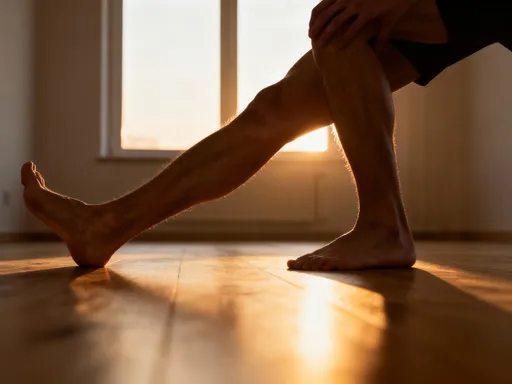
Rehabilitation begins where you are. For many, that might be in bed, on the couch, or using assistive devices. The key is to start with movement that is safe and appropriate. A progressive approach typically follows three phases: gentle range-of-motion, strength building, and functional training. In the early stage, the goal is to maintain joint mobility and prevent stiffness. Simple exercises like seated leg lifts, ankle circles, or wall push-ups can be done with minimal strain. These movements stimulate blood flow, maintain muscle activation, and signal the nervous system that the body is still in use. As healing progresses, resistance can be gradually introduced—using body weight, resistance bands, or light weights—to rebuild strength.
One of the most important skills in rehabilitation is learning to listen to the body. Discomfort during movement is often normal, especially when regaining range of motion. But sharp, localized pain, swelling, or instability are warning signs that should not be ignored. The difference lies in intensity, location, and duration. Mild soreness that fades within a day or two is typically a sign of adaptation. Pain that worsens with activity or persists for days may indicate overexertion or improper technique. A physical therapist can help distinguish between the two and adjust the program accordingly. Pacing is also critical. Overdoing it on a good day can lead to setbacks, while underdoing it consistently delays progress. Finding balance—doing a little each day without pushing too hard—is the hallmark of sustainable recovery.
Posture, breathing, and movement quality matter just as much as the exercises themselves. Poor posture can place unnecessary strain on healing tissues, while diaphragmatic breathing helps regulate the nervous system and reduce muscle tension. For example, when performing a wall push-up, aligning the shoulders, engaging the core, and breathing steadily enhances the effectiveness of the movement. Functional training—practicing real-life activities like standing from a chair, walking up stairs, or lifting objects—bridges the gap between therapy and daily life. These movements are not only practical but also build confidence in one’s ability to navigate everyday tasks safely. Over time, this progression restores independence and reduces fear of movement, a common barrier in recovery.
Mind Over Setback: The Mental Game of Healing
The mind plays a powerful role in physical recovery. Expectations, beliefs, and emotional state can influence pain perception, healing speed, and adherence to treatment. This is not mere optimism—it is supported by science. The placebo effect, for instance, demonstrates that belief in a treatment can trigger real physiological changes, including the release of endorphins and dopamine. Neuroplasticity, the brain’s ability to reorganize neural pathways, allows individuals to retrain movement patterns even after injury. These principles underscore the importance of mindset in rehabilitation. When someone believes recovery is possible, they are more likely to engage in the behaviors that make it happen.
Patience is one of the most difficult but essential qualities in healing. Progress is often slow and inconsistent. One week may bring noticeable improvement; the next may feel like a step backward. This unpredictability can lead to frustration, self-doubt, and even discouragement. Comparing oneself to others—whether friends, athletes, or online influencers—only intensifies these feelings. But everyone’s body, injury, and healing timeline are different. A more constructive approach is to focus on personal milestones: the first time walking without a limp, the ability to tie shoes again, or standing for ten minutes without pain. Tracking these small wins, whether in a journal or app, reinforces a sense of accomplishment and continuity.
Mindfulness and visualization are practical tools that support mental resilience. Mindfulness involves paying attention to the present moment without judgment. It can help individuals observe pain or discomfort without reacting to it with fear or resistance. Visualization—mentally rehearsing movements or successful outcomes—has been used by athletes and patients alike to improve motor control and confidence. These practices do not replace physical therapy, but they complement it by reducing stress and enhancing focus. The goal is not to eliminate all negative thoughts, but to create space between thought and reaction, allowing for more intentional choices in the recovery process.
Lifestyle Levers: Sleep, Nutrition, and Daily Habits
Recovery extends far beyond therapy sessions. Daily habits either support or hinder healing. Among the most critical is sleep. During deep sleep, the body releases growth hormone, repairs tissues, and consolidates motor learning. Poor sleep quality or insufficient duration can impair these processes, prolonging recovery. Establishing a consistent sleep routine—going to bed and waking at the same time, minimizing screen exposure before bed, and creating a restful environment—can significantly improve outcomes. Hydration is another foundational element. Water is essential for nutrient transport, joint lubrication, and waste removal. Even mild dehydration can contribute to muscle cramps, fatigue, and reduced cognitive function, all of which affect rehabilitation efforts.
Nutrition plays a direct role in tissue repair. The body needs protein to rebuild muscle and collagen, healthy fats to reduce inflammation, and complex carbohydrates to fuel activity. Whole foods—such as lean meats, fish, eggs, legumes, vegetables, fruits, nuts, and whole grains—provide these nutrients without the added sugars and processed ingredients that can exacerbate inflammation. While no single "superfood" guarantees faster healing, a balanced, varied diet creates the internal environment necessary for recovery. Supplements may be recommended in specific cases, but they should not replace whole foods or be used without professional guidance.
Environmental adjustments also matter. An ergonomic workspace, supportive footwear, and proper lifting techniques reduce strain on the body. Reducing sedentary time—by standing, stretching, or walking briefly every hour—helps maintain circulation and prevent stiffness. Work-rest balance is crucial; overexertion in daily tasks can undo progress made in therapy. Simple habits, like using a pillow for lumbar support while sitting or setting a timer to move every 30 minutes, can make a meaningful difference. These changes are not about perfection, but about creating a lifestyle that supports long-term health.
Staying Ahead: From Recovery to Long-Term Prevention
True rehabilitation does not end when symptoms disappear. The ultimate goal is not just to return to normal, but to build resilience against future issues. This shift—from reactive healing to proactive maintenance—is where long-term success is achieved. The concept of "pre-hab," or preventive rehabilitation, involves using rehab-inspired habits to reduce the risk of injury or relapse. For example, continuing strength and flexibility exercises even after full recovery helps maintain joint stability and muscle balance. Regular check-ins with a physical therapist or healthcare provider can identify subtle imbalances before they become problems.
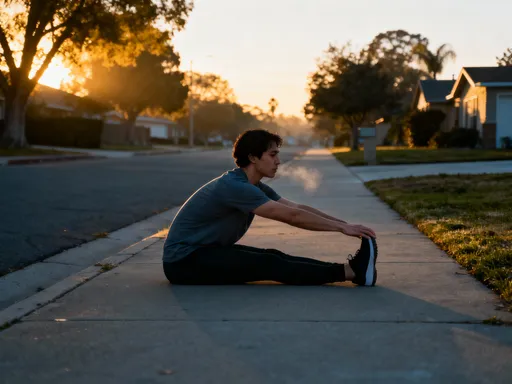
Self-monitoring is another key strategy. Paying attention to how the body feels during daily activities—noticeable stiffness, asymmetries in movement, or changes in posture—can signal the need for adjustment. Keeping a simple log of activity, pain levels, and sleep quality provides valuable insights over time. This awareness fosters a deeper connection with one’s body and supports early intervention. Additionally, maintaining a routine of movement, even in the form of walking, stretching, or light resistance training, reinforces the gains made during formal rehabilitation.
Sustainable health is not built on dramatic interventions, but on small, repeatable choices. Drinking enough water, moving regularly, sleeping well, and eating nourishing foods are not flashy, but they are foundational. These habits compound over time, creating a buffer against future setbacks. Rehabilitation, when viewed as a lifelong practice rather than a temporary fix, becomes a form of self-care. It is an investment in one’s ability to move, function, and live with confidence. The journey is not about achieving perfection, but about making consistent progress—one step, one breath, one choice at a time.
Rehabilitation isn’t a detour from life—it’s a deeper way of living it. My journey taught me that healing is not passive, and prevention isn’t guesswork. By combining professional guidance with daily commitment, we can rebuild stronger, move better, and live with greater confidence. This isn’t about perfection; it’s about progress. And sometimes, the smallest steps make the biggest difference.