How I Finally Learned to Move Freely — A Real Talk on Flexibility and Body Awareness
Ever feel stiff when you wake up, or struggle to touch your toes despite years of trying? You're not alone. I used to think flexibility was just for yogis or young dancers — until I realized it's a core part of how our bodies function every day. Ignoring it can lead to discomfort, poor posture, and even injuries. This is my journey from tightness to better movement, packed with practical insights on building real, usable flexibility while staying in tune with your body.
The Hidden Problem: Why Most People Overlook Flexibility
Many people assume that flexibility is an optional trait — something reserved for athletes, dancers, or those who practice yoga regularly. This belief leads millions to ignore one of the most essential components of physical well-being. In reality, flexibility plays a critical role in everyday movement, from bending down to tie your shoes to reaching for a high shelf. Without adequate range of motion, simple tasks become strained, and over time, this strain accumulates into chronic discomfort. Stiffness in the morning, difficulty turning your head while driving, or a persistent ache in the lower back are not just signs of aging — they are signals that your body needs attention.
One of the most common misconceptions is that flexibility only matters if you're trying to perform advanced physical feats. But the truth is, poor flexibility affects posture, balance, and joint health, even in sedentary individuals. When muscles and connective tissues lose their elasticity, the body compensates by shifting stress to other areas, often leading to overuse injuries. For example, tight hamstrings can pull on the pelvis, altering spinal alignment and contributing to lower back pain. Similarly, stiff shoulders can limit arm movement, making daily activities like dressing or lifting groceries more difficult. These small limitations often go unnoticed until they begin to interfere with quality of life.
Another reason flexibility is overlooked is the lack of immediate feedback. Unlike strength or endurance, which can be measured through visible progress or performance, flexibility gains are subtle and gradual. You might not notice a difference after one stretch session, but over weeks and months, consistent movement creates meaningful change. The absence of quick results leads many to abandon their efforts prematurely. Yet, the long-term benefits — reduced pain, improved circulation, enhanced coordination — make flexibility a cornerstone of sustainable health, especially for women in their 30s to 50s who may face increasing physical demands at home and work.
What Flexibility Really Means (And What It Doesn’t)
Flexibility is often misunderstood as simply being able to touch your toes or fold your body into a pretzel. In truth, it encompasses much more than extreme ranges of motion. At its core, flexibility refers to the ability of muscles, tendons, and joints to move freely through their natural range. This includes joint mobility — how well a joint can move — muscle elasticity — how much a muscle can lengthen — and the nervous system’s response to stretching. These elements work together to determine how easily and safely your body can perform movements, whether it's turning to check a blind spot while driving or playing with grandchildren on the floor.
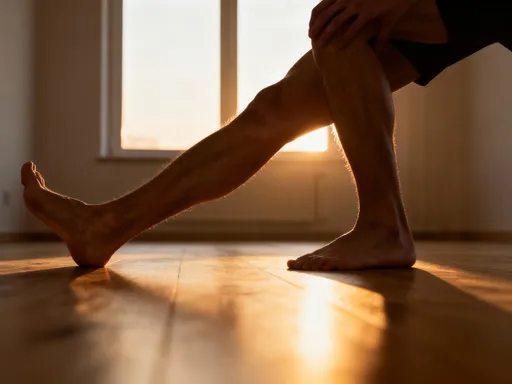
There are two main types of flexibility: dynamic and static. Dynamic flexibility involves controlled movements that take joints and muscles through their full range, such as leg swings or arm circles. This type is crucial for preparing the body for activity and improving coordination. Static flexibility, on the other hand, refers to holding a stretch in a fixed position, like touching your toes and staying there for 30 seconds. Both are important, but they serve different purposes. Dynamic stretches are ideal before physical activity, while static stretches are more effective after exercise or during cool-down routines.
It’s also important to clarify what flexibility is not. It does not mean forcing your body into uncomfortable or unnatural positions. Pushing too hard can trigger the stretch reflex — a protective mechanism in which muscles contract to prevent injury. This reflex can actually reduce the effectiveness of stretching and increase the risk of strain. True flexibility is about balance, not extremes. It’s not about achieving the splits or mastering advanced yoga poses; it’s about having enough mobility to move comfortably and efficiently in daily life. A flexible body is not necessarily a bendy one — it’s a responsive, resilient one.
Why Your Body Resists — The Science Behind Tightness
Have you ever wondered why, despite regular stretching, certain areas of your body remain stubbornly tight? The answer lies in both physical and neurological factors. One of the primary causes of chronic tightness is a sedentary lifestyle. Sitting for long periods — whether at a desk, in a car, or on the couch — keeps muscles in a shortened position. Over time, this leads to adaptive shortening, where muscles begin to resist lengthening even when you stand or stretch. The hip flexors, for example, are particularly vulnerable because they remain contracted during prolonged sitting, which can contribute to lower back strain and poor posture.
Muscle imbalances also play a significant role. When some muscles are overused and others underused, the body compensates by tightening certain areas to protect joints. For instance, weak glutes can cause the hamstrings to overwork, leading to persistent tightness in the back of the legs. Similarly, rounded shoulders from frequent screen use can tighten the chest muscles while weakening the upper back, creating a cycle of discomfort and restricted movement. These imbalances are often subtle but accumulate over time, making movement less efficient and more taxing on the body.
The nervous system is another key player in flexibility. It regulates how far and how fast your muscles can stretch through a mechanism called the myotatic reflex, or stretch reflex. When a muscle is stretched too quickly or too far, sensory receptors in the muscle fibers send signals to the spinal cord, triggering an automatic contraction to prevent damage. This protective response is essential for safety, but it can also limit progress if stretching is done incorrectly. That’s why slow, controlled movements are more effective than aggressive bouncing or forcing a stretch. By working with the nervous system rather than against it, you can gradually expand your range of motion in a safe and sustainable way.
Small Shifts, Big Gains: My Personal Flexibility Routine
When I first decided to improve my flexibility, I made the mistake of thinking I needed long, intense sessions to see results. I tried hour-long yoga videos and deep stretching routines, only to feel sore and discouraged the next day. What finally worked wasn’t complexity — it was consistency. I shifted to a simple, realistic practice of just 10 to 15 minutes a day, done at home with no special equipment. The key was showing up every day, even if I didn’t feel like it. Over time, these small efforts added up to noticeable improvements in how my body moved and felt.
My routine centers around three foundational movements that target common areas of stiffness: the spine, hips, and shoulders. The first is the cat-cow stretch, which gently mobilizes the spine. On hands and knees, I alternate between arching my back upward (cat) and lowering it while lifting my head and tailbone (cow). This movement warms up the vertebrae, improves spinal fluid circulation, and releases tension in the neck and lower back. It’s especially helpful in the morning when my body feels stiff from sleeping.
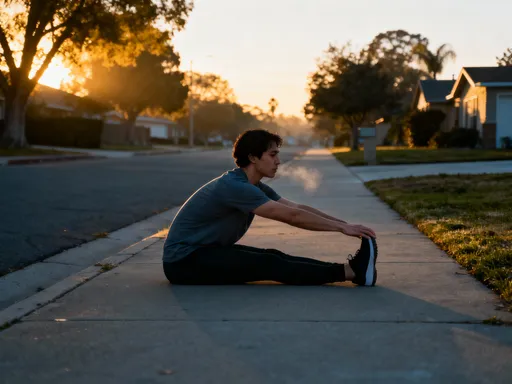
The second movement is the standing forward fold. I stand with feet hip-width apart, hinge at the hips, and let my upper body hang toward the floor. I keep a slight bend in the knees to protect the hamstrings and allow gravity to gently lengthen the back of the legs. This stretch addresses tight hamstrings and lower back tension, which many women experience due to prolonged sitting or standing. I hold it for 30 to 60 seconds, breathing deeply to encourage relaxation.
The third key movement is a seated hip opener. I sit on the floor with the soles of my feet together and knees falling outward, gently pressing my thighs down with my hands. This opens the inner hips and groin, areas that often hold tension from sitting and walking. I focus on keeping my spine tall and breathing into any tight spots, allowing the stretch to deepen naturally over time. These three movements form the core of my daily practice, and I’ve found that doing them consistently — not perfectly — has made the biggest difference.
Beyond Stretching: The Habits That Support Better Mobility
While targeted stretching is important, true flexibility is supported by a network of daily habits. One of the most impactful is hydration. Muscles are made up of about 75% water, and when dehydrated, they become less elastic and more prone to stiffness. Drinking enough water throughout the day helps maintain muscle pliability and supports joint lubrication. I’ve noticed that on days when I’m well-hydrated, my stretches feel smoother and my body moves with greater ease.
Sleep is another critical factor. During deep sleep, the body repairs tissues, reduces inflammation, and resets the nervous system. Poor sleep can increase muscle tension and lower pain thresholds, making stretching feel more difficult. Prioritizing 7 to 8 hours of quality rest has made a noticeable difference in how my body recovers and adapts to movement. Creating a calming bedtime routine — such as dimming lights, avoiding screens, and doing gentle stretches — helps signal to the body that it’s time to relax and heal.
Movement variety is equally important. Doing the same activities every day — like walking, gardening, or housework — can reinforce muscle imbalances. Introducing different types of motion, such as climbing stairs, dancing, or swimming, challenges the body in new ways and promotes balanced flexibility. I call this concept 'movement nutrition' — just as a diverse diet supports overall health, a diverse movement routine nourishes the joints and muscles. Even small changes, like taking a different route on a walk or standing while talking on the phone, can make a difference over time.
When Flexibility Meets Awareness: Tuning Into Your Body’s Signals
One of the most transformative aspects of my journey has been developing body awareness — learning to listen to what my body is telling me. There’s a crucial difference between the sensation of a good stretch and actual pain. A healthy stretch feels like a gentle pull, a sensation of lengthening that eases with breath and time. Pain, on the other hand, is sharp, localized, and persistent. Pushing through pain can lead to injury, while honoring discomfort allows for safe progress. This awareness has helped me avoid overstretching and stay consistent without setbacks.
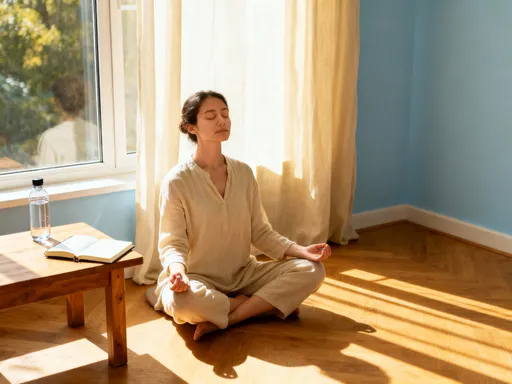
Mindfulness during movement has also improved my form and efficiency. Instead of going through the motions, I now pay attention to how each part of my body feels during a stretch. Is my breath shallow? Is one side tighter than the other? Am I holding tension in my jaw or shoulders? These small observations help me adjust and move with greater intention. I’ve found that pairing breath with movement — inhaling to prepare, exhaling to deepen a stretch — enhances relaxation and effectiveness.
To stay connected, I use simple check-ins throughout the day. In the morning, I do a quick mobility scan: I roll my shoulders, tilt my head side to side, and gently twist my torso to assess how my body feels. If I notice stiffness, I take a few minutes to move through a short stretch sequence. I also set reminders to reset my posture every few hours, especially if I’ve been sitting. These small practices keep me attuned to my body and prevent stiffness from building up unnoticed.
Making It Last: Building a Sustainable Practice
The biggest challenge in any wellness journey is consistency. Many people start strong but lose momentum when results don’t appear quickly. To avoid burnout, I’ve learned to integrate flexibility into my existing routine through habit stacking — pairing new behaviors with established ones. For example, I do my 10-minute stretch routine right after brushing my teeth in the morning or after my evening shower. These cues make it easier to remember and reduce the mental effort required to get started.
Environment also plays a role. I keep a yoga mat rolled out in the corner of my living room as a visual reminder. When I see it, it gently invites me to take a few minutes for myself. I’ve also created a calming playlist of soft instrumental music to make the experience more enjoyable. These small cues and comforts lower the barrier to action, making it easier to show up even on busy or stressful days.
Tracking progress has been another motivator. I don’t measure success by how close I can get to the floor in a forward fold, but by how I feel — less stiffness, more energy, easier movement. Occasionally, I take notes or record a short video to observe changes over time. This helps me stay patient and compassionate with myself, recognizing that progress is not linear. Some days are better than others, and that’s okay. What matters is the long-term commitment to moving with care and intention.
Flexibility isn’t about achieving perfect poses — it’s about reclaiming ease in your body. By becoming more aware and making small, consistent moves, you invest in a future where your body works with you, not against you. This isn’t a quick fix, but a lifelong upgrade to how you move and feel every single day.